

Being discharged from the hospital can be both exciting and nerve-wracking. On one hand, you finally get to go home! But on the other hand, you’ve been dependent on hospital staff for weeks. Are you really ready?
You might find yourself asking, “Am I able to take care of myself?” “Can my family help me?” “What if they can’t? I don’t want to be a burden.”
These thoughts are completely natural as you process the additional stress that comes with your post-discharge care plan.
You’ll likely even hear things like “you need 24-hour care” or “you’re being sent home with home health.” If you’re confused and unsure what the right decision is for you or your loved one, you’re far from alone.
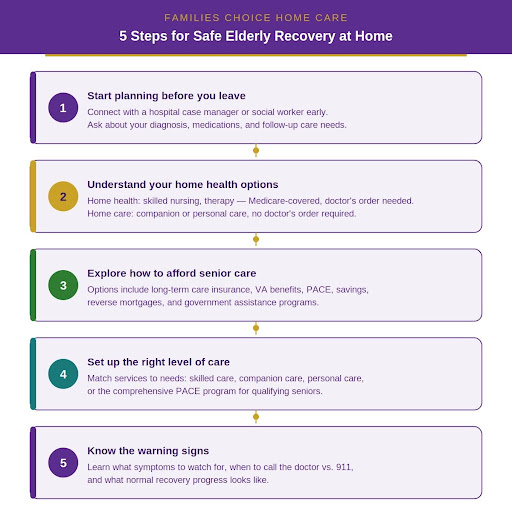
Step 1: Start Planning Your Hospital Discharge Before You Leave
Families may be surprised to learn that it is during the hospital stay, not as a patient returns home, that discharge preparation should begin.
While you or your loved one is still in the hospital, seniors and their families should plan to stay in touch with the hospital case manager, so that they know what the needs are going to be after leaving the hospital.
All too often, families don’t get the information they need about recovery outside of the hospital. “They just told us mom was going to be discharged,” families will say. “We had no idea what she was going to need to come to a skilled nursing facility.”
Early and frequent communication with the hospital or rehab staff will help guide you in the direction that is best for you or your loved one, and help come up with a strategy ahead of time.
Questions to ask before your elderly hospital discharge:
- Has my health situation or diagnosis changed since I’ve been in the hospital?
- Does this hospital have a social worker or case manager who can help me navigate finding post-hospital care for seniors?
- How do I get a copy of my medical record, medication list, and test results?
- What are the warning signs that something is going wrong, and when should I seek immediate treatment?
- What medications do I need, at what times, how frequently, and are there any dietary interactions?
- What exercise, activity, or therapy is recommended as I heal?
Step 2: Understand Your Home Health Options for Senior Recovery at Home
Home Health Services
Home health provides skilled nursing care to senior patients who are homebound. For a senior client to be considered homebound, they must be unable to leave their home, or leaving home must be a taxing effort, and a doctor’s order is needed to start home health services. It is often covered by Medicare and is used on a short-term basis.
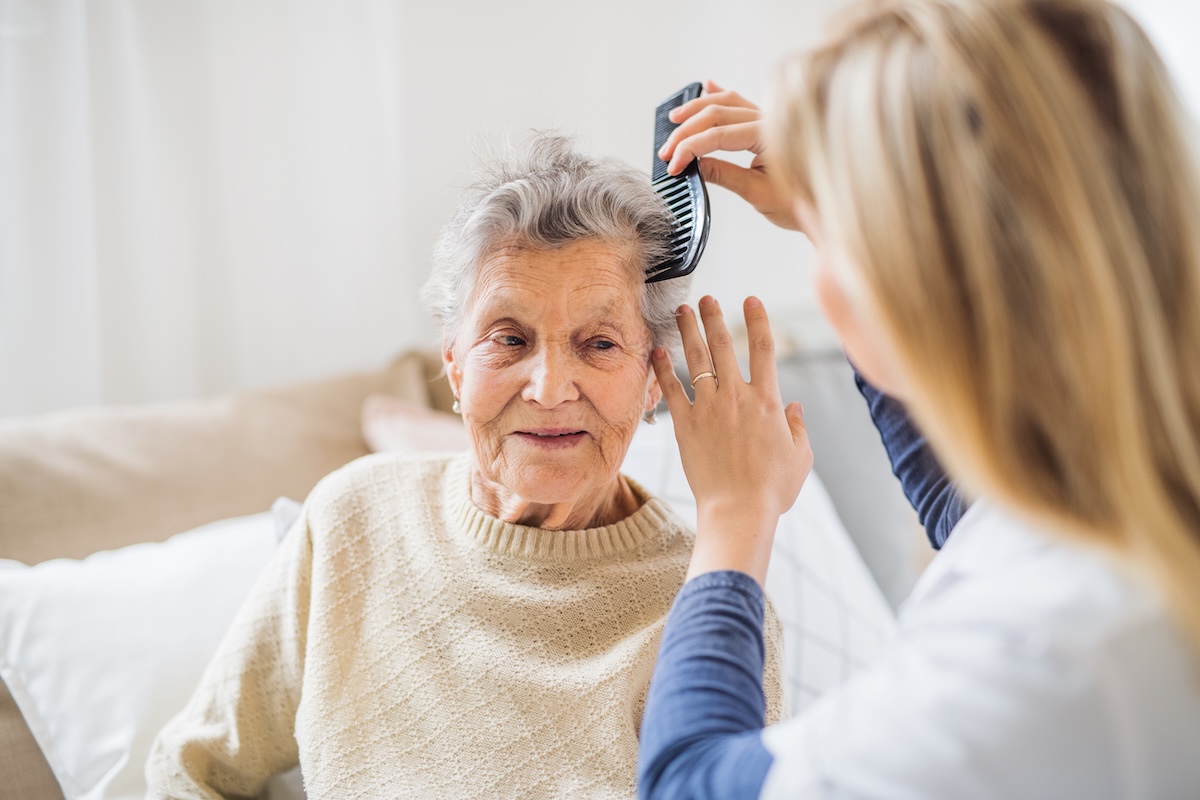
A home health nurse can assist elderly patients by educating them and their families on disease processes, such as diabetes or congestive heart failure. They can also assist with wound care (pressure ulcers or surgical wounds), intravenous infusions, monthly injections, urinary catheter insertion, and blood draws.
Home health can bridge the gap for many seniors who come home from the hospital and need a little extra care. Physical Therapy, Occupational Therapy, and Speech Therapy can also be provided in the home. Home health staff keep the doctor informed of the patient’s progress, eliminating the need for frequent office visits.
Home Care Services: Companion and Personal Care
Home care provides companion or personal care to senior clients who want to stay in their own environment. It is often paid for out of pocket, but can be covered by long-term care insurance.
Unlike home health care, home care services for seniors do not require a doctor’s order. Services can be long-term or short-term depending on the needs of the client, and can be provided in conjunction with home health or hospice care.
Two types of senior home care services:
- Companion care: monitoring for safety, light housekeeping, meal preparation, laundry, transportation, and medication reminders
- Personal care: assistance with bathing, dressing, grooming, transfers, walking, toileting, and all companion care services
Many families find senior home care services beneficial because they take away potentially burdensome caretaking responsibilities.
Step 3: Explore How to Afford Senior Care After Hospital Discharge
If you’re considering home care for a senior loved one but are worried about affording it, you’re not the only one. Here are options to consider:
- Long-term care insurance or life insurance rider: Some patients may have purchased a policy that covers home care benefits, though premiums can be expensive and coverage may be denied as people age.
- Savings or investment accounts: Withdrawing from personal savings is a common approach.
- Home equity loan or reverse mortgage: A federally-approved reverse mortgage product may be available for qualifying seniors.
- Government assistance: Check your local Area Agency on Aging using Eldercare Locator, or use BenefitsCheckUp from the National Council on Aging for benefit eligibility information for older adults.
- Veterans benefits: Home care benefits are available to senior service members through the Department of Veterans Affairs.
- Tax deductions: Certain home care services may qualify for tax deductions.
Programs of All-Inclusive Care for the Elderly (PACE)
For seniors who qualify, PACE is one of the most comprehensive post-hospital care options available. This Medicaid and Medicare initiative can provide coverage for:
- In-home care
- Checkups
- Adult day care
- Prescriptions
- Transportation to medical appointments
- Hospital and nursing home stays
- Family caregiver training, support, and respite care
PACE is open to Americans 55 years old or older who are certified as being in need of nursing home care through their state and who live in areas with a PACE organization.
Step 4: Set Up the Right Level of Care for Elderly Home Recovery
Not every senior leaving the hospital needs the same level of care. Here’s a quick guide to matching needs with services:
| Senior’s Needs | Potential Service |
| Skilled nursing, wound care, therapy | Home Health (Medicare-covered) |
| Help with daily tasks, companionship | Companion Home Care |
| Bathing, dressing, mobility assistance | Personal Home Care |
| Comprehensive medical + social needs | PACE Program |
The right combination of services will depend on your loved one’s diagnosis, mobility, and support network. A hospital case manager or social worker can help you navigate these options before discharge.
Step 5: Know the Warning Signs During Senior Recovery at Home
One of the most important parts of post-hospital care for seniors is knowing when something is going wrong. Before leaving the hospital, make sure you or your loved one knows:
- What symptoms to watch for specific to their diagnosis or procedure
- When to call the doctor versus seek emergency care
- How medications may affect how they feel, including side effects or interactions
- What “normal” recovery progress looks like and when to expect improvement

Home health nurses and caregivers can serve as an extra set of eyes during elderly home recovery, reporting changes in condition back to the physician and helping catch problems early.
Finding the Right Care for You
When you leave the hospital or go through a traumatic event, finding the right senior care after hospital discharge shouldn’t be a burden.
Whether you need skilled home health services, personal care assistance, or help navigating your insurance options, the earlier you start planning, the smoother your elderly home recovery will be.